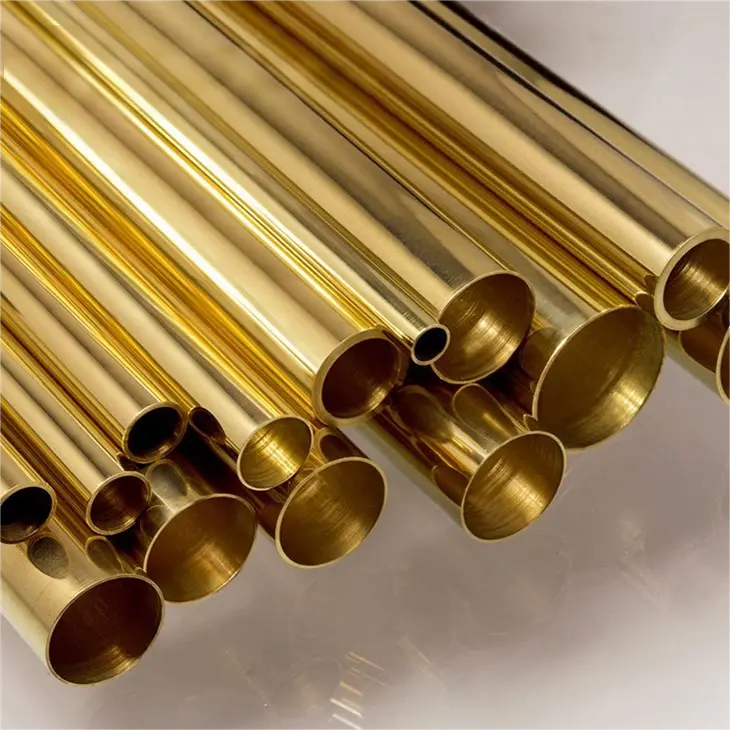
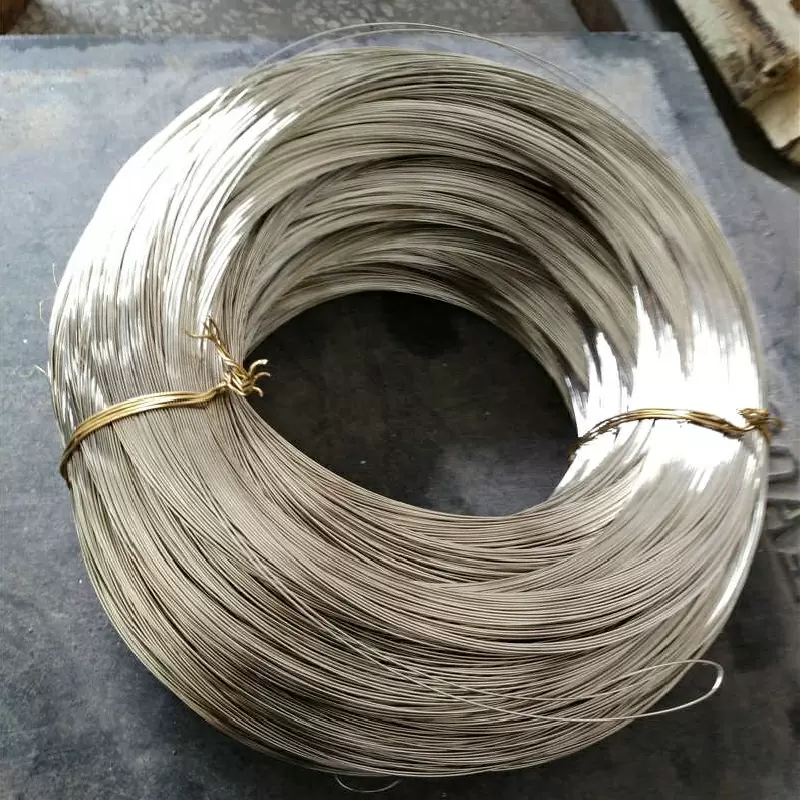
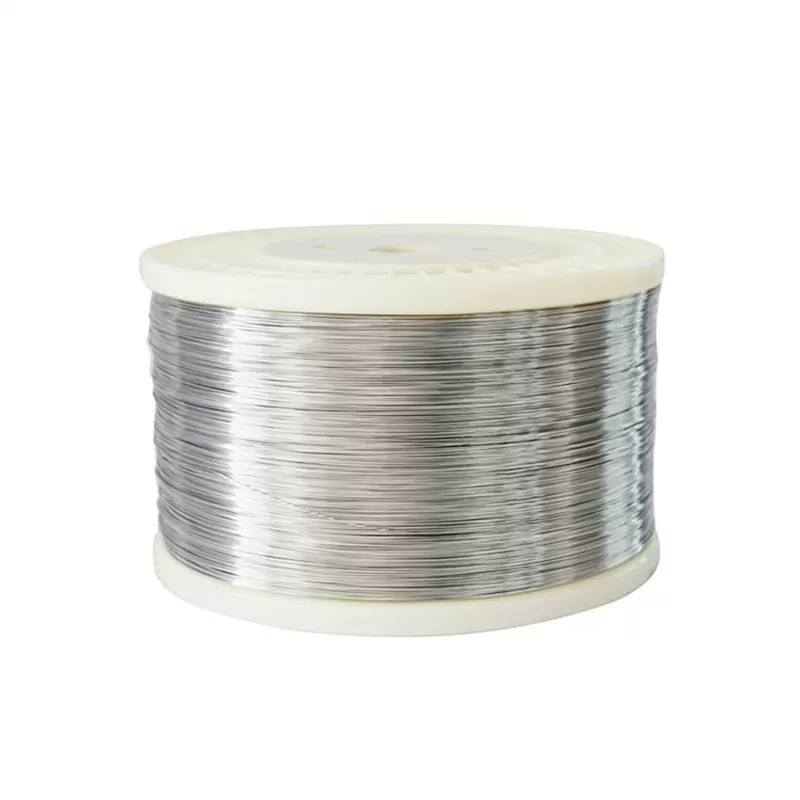
When selecting materials for industrial systems, engineers and procurement professionals often compare copper tubes and aluminum tubes. Both materials are widely used in industries such as HVAC, refrigeration, automotive manufacturing, power generation, and heat exchange equipment. However, each material offers distinct advantages and limitations depending on the application.
Understanding the differences between copper and aluminum can help businesses make informed purchasing decisions and improve long-term operational efficiency.
Understanding the Basics
Copper and aluminum are both non-ferrous metals known for their excellent conductivity and versatility. While aluminum is valued for its lightweight characteristics and lower initial cost, copper is widely recognized for its superior performance, durability, and reliability.
The choice between the two often depends on factors such as conductivity requirements, operating conditions, maintenance expectations, and total lifecycle costs.
Electrical Conductivity: Copper Takes the Lead
One of the most significant advantages of copper is its exceptional electrical conductivity.
Copper conducts electricity approximately 60% better than aluminum. This means that a copper conductor can carry the same electrical current using a smaller cross-sectional area, resulting in more compact and efficient system designs.
Industries that require stable and reliable electrical performance typically prefer copper for:
- Power transmission systems
- Electrical equipment
- Renewable energy installations
- Electric vehicle components
- Industrial machinery
Although aluminum can also conduct electricity effectively, larger conductors are usually required to achieve the same performance level.
Thermal Conductivity and Heat Transfer
Copper is also superior when it comes to thermal conductivity.
Efficient heat transfer is critical in applications such as:
- Air conditioning systems
- Refrigeration units
- Heat exchangers
- Industrial cooling equipment
- Thermal management systems
Copper’s ability to transfer heat quickly allows equipment to operate more efficiently and maintain stable temperatures under demanding conditions.
This is one of the primary reasons why copper tubes remain the preferred choice for high-performance HVAC and refrigeration systems worldwide.
Corrosion Resistance and Durability
Industrial environments often expose materials to moisture, chemicals, temperature fluctuations, and atmospheric contaminants.
Copper naturally develops a protective oxide layer that helps resist corrosion over time. This protective characteristic contributes to a longer service life and lower maintenance requirements.
Copper tubes are commonly used in:
- Potable water systems
- Marine environments
- Industrial processing facilities
- Medical gas systems
- Commercial buildings
While aluminum also offers corrosion resistance, it can be more susceptible to certain environmental conditions and mechanical damage.
For applications where long-term reliability is essential, copper frequently provides greater peace of mind.
Mechanical Strength and Reliability
Copper generally possesses higher mechanical strength than aluminum.
This strength allows copper tubing to withstand:
- High operating pressures
- Mechanical stress
- Vibration
- Thermal cycling
- Long-term fatigue
In critical infrastructure projects, stronger materials help reduce the risk of system failures and costly downtime.
Copper’s durability is particularly valuable in industrial refrigeration systems, power plants, and large-scale HVAC installations where reliability is a top priority.
Installation and Maintenance
Copper tubing is widely appreciated by contractors and technicians for its ease of fabrication and installation.
Common advantages include:
- Easy bending and forming
- Reliable brazing and soldering
- Strong leak-resistant joints
- Simple maintenance procedures
Because copper has been used extensively for decades, installation standards and technician expertise are readily available throughout the global market.
This can help reduce installation errors and improve overall system performance.
Cost Considerations
At first glance, aluminum may appear to be the more economical option because its raw material cost is typically lower than copper.
However, focusing solely on initial purchase price may not provide the complete picture.
When evaluating total lifecycle cost, businesses should also consider:
- Energy efficiency
- Maintenance expenses
- Replacement frequency
- Downtime risks
- Service life
In many industrial applications, copper’s superior performance and longevity can offset its higher upfront investment.
As a result, copper often delivers greater long-term value despite a higher initial material cost.
Sustainability and Recycling
Both copper and aluminum are highly recyclable materials, making them environmentally responsible choices.
Copper offers a unique advantage because it can be recycled repeatedly without any significant loss of conductivity or performance characteristics.
Today, a substantial portion of global copper production originates from recycled materials, supporting circular economy initiatives and reducing environmental impact.
For companies pursuing sustainability goals, copper remains an excellent material choice.
Common Applications of Copper Tubes
Copper tubes continue to dominate numerous industrial sectors due to their reliability and performance.
Typical applications include:
HVAC Systems
Copper tubes provide efficient refrigerant flow and excellent heat transfer performance.
Refrigeration Equipment
Commercial refrigerators, freezers, and cold storage systems rely heavily on copper tubing.
Water Distribution Systems
Copper’s corrosion resistance makes it ideal for clean and safe water transportation.
Medical Gas Systems
Hospitals and healthcare facilities use copper tubes for oxygen and medical gas delivery networks.
Renewable Energy Projects
Solar thermal systems, heat pumps, and energy storage facilities frequently incorporate copper tubing.
Industrial Manufacturing
Many industrial processes depend on copper’s ability to handle pressure, temperature variations, and corrosive environments.
Future Market Trends
As industries continue to electrify and adopt sustainable technologies, demand for copper products is expected to remain strong.
Several factors are driving this trend:
- Expansion of renewable energy projects
- Growth of electric vehicle production
- Modernization of power grids
- Increasing demand for energy-efficient buildings
- Development of advanced manufacturing technologies
These trends highlight copper’s ongoing importance in supporting industrial innovation and global infrastructure development.
Conclusion
While both copper and aluminum offer valuable properties, copper continues to be the preferred material for many industrial applications due to its superior electrical conductivity, thermal performance, corrosion resistance, mechanical strength, and long-term reliability.
For businesses seeking durable and efficient solutions, copper tubes often provide the best balance between performance and total lifecycle value. Whether used in HVAC systems, refrigeration equipment, water distribution networks, or renewable energy installations, copper remains one of the most trusted and versatile engineering materials available today.