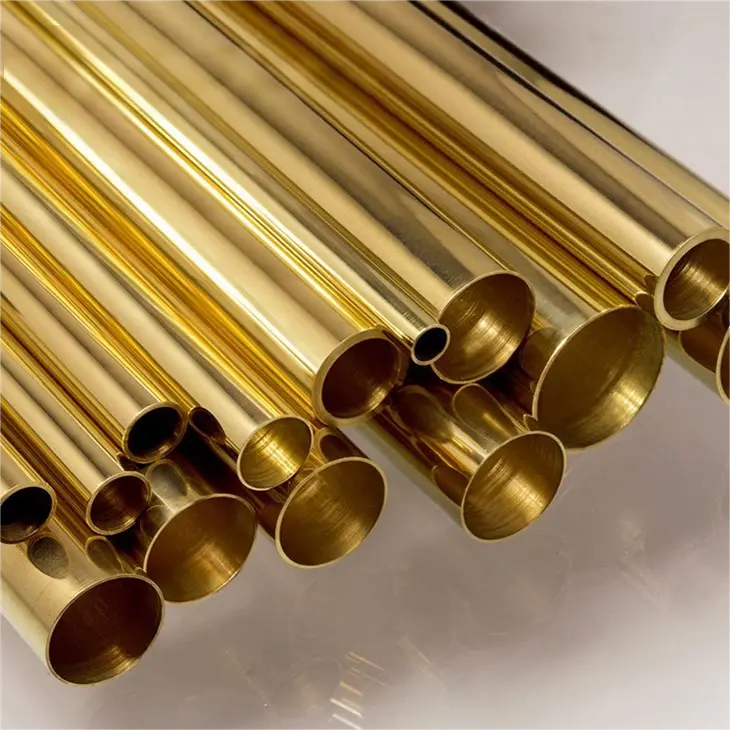
Copper tubes have been widely used in industrial and commercial applications for decades due to their excellent thermal conductivity, corrosion resistance, durability, and reliability. As global industries continue to pursue higher efficiency and sustainable development, copper tubing remains one of the most important engineering materials in modern infrastructure and manufacturing.
From HVAC systems and refrigeration equipment to renewable energy projects and medical gas systems, copper tubes play a critical role across numerous industries worldwide.
In this article, we explore the top seven applications of copper tubes and why they continue to be the preferred choice for engineers, manufacturers, and contractors around the world.
1. HVAC and Air Conditioning Systems
One of the most common applications of copper tubes is in HVAC (Heating, Ventilation, and Air Conditioning) systems.
Copper tubes are widely used for refrigerant transportation because of their:
- Excellent heat transfer efficiency
- High pressure resistance
- Corrosion resistance
- Long service life
- Easy installation and maintenance
Air conditioning systems rely heavily on copper tubing to transfer refrigerants efficiently between components such as compressors, condensers, and evaporators.
Compared with alternative materials, copper provides more stable performance and better long-term reliability, especially in large commercial and industrial HVAC systems.
As demand for energy-efficient buildings continues to grow globally, the market for HVAC copper tubes remains strong.
2. Refrigeration Equipment
Copper tubes are essential components in refrigeration systems used in supermarkets, cold storage facilities, food processing plants, and industrial cooling applications.
Refrigeration systems require materials capable of handling:
- Extreme temperature variations
- High operating pressures
- Continuous operation
- Efficient heat exchange
Copper’s superior thermal conductivity allows refrigeration equipment to maintain stable cooling performance while improving energy efficiency.
In addition, copper tubes are easy to bend, braze, and connect, making them ideal for complex refrigeration piping systems.
3. Plumbing and Water Supply Systems
Copper piping has long been considered one of the most reliable materials for water transportation systems.
Copper tubes are commonly used in:
- Residential plumbing
- Commercial buildings
- Hot water systems
- Drinking water pipelines
- Gas distribution systems
One major advantage of copper is its excellent resistance to corrosion and bacterial growth. Copper pipes can maintain water quality and reduce maintenance requirements over long service periods.
Because of their durability and safety, copper plumbing systems continue to be widely adopted in high-quality construction projects around the world.
4. Renewable Energy Systems
The rapid development of renewable energy technologies has significantly increased global demand for copper products.
Copper tubes are widely used in:
- Solar thermal systems
- Heat pumps
- Energy storage systems
- Power generation equipment
- Heat exchange systems
Renewable energy applications require materials with high conductivity and reliable thermal performance. Copper meets these requirements while also supporting sustainable manufacturing practices through its recyclability.
As countries continue investing in clean energy infrastructure, copper’s importance in the renewable energy sector is expected to grow even further.
5. Medical Gas and Healthcare Systems
Hospitals and healthcare facilities rely on highly reliable piping systems for the safe transportation of medical gases such as oxygen, nitrogen, and compressed air.
Copper tubes are commonly used in medical gas systems because they offer:
- High cleanliness standards
- Excellent corrosion resistance
- Leak-resistant connections
- Long-term reliability
- Safe gas transportation
Medical-grade copper tubes are manufactured under strict quality standards to ensure patient safety and system stability.
The expansion of healthcare infrastructure worldwide continues to create steady demand for high-quality copper tubing products.
6. Industrial Heat Exchangers
Copper tubes are frequently used in industrial heat exchangers due to their outstanding thermal conductivity.
Heat exchangers are critical components in industries such as:
- Chemical processing
- Power generation
- Marine engineering
- Oil and gas
- Manufacturing plants
Efficient heat transfer directly affects operational efficiency and energy consumption. Copper tubes help maximize thermal performance while reducing heat loss.
In demanding industrial environments, copper’s durability and corrosion resistance also contribute to longer equipment service life and lower maintenance costs.
7. Automotive and Electric Vehicle Industries
The automotive industry is another major consumer of copper tubing products.
Traditional vehicles use copper in:
- Brake systems
- Fuel systems
- Air conditioning systems
- Radiators
However, the rapid growth of electric vehicles (EVs) is creating even greater demand for copper materials.
Electric vehicles require large amounts of copper for:
- Battery systems
- Charging infrastructure
- Thermal management systems
- Power electronics
- Electric motors
As global EV adoption accelerates, copper is becoming increasingly important for supporting transportation electrification.
Why Copper Tubes Remain the Preferred Choice
Despite the emergence of alternative materials, copper continues to dominate many industrial applications because of its unique advantages.
Excellent Thermal Conductivity
Copper transfers heat efficiently, improving system performance and reducing energy consumption.
Superior Corrosion Resistance
Copper performs well in challenging environments and offers a long service life.
High Mechanical Strength
Copper tubes can withstand pressure, vibration, and temperature fluctuations.
Easy Processing and Installation
Copper is easy to bend, cut, braze, and connect.
Sustainability
Copper is fully recyclable without losing its physical properties, making it an environmentally responsible material.
Future Market Outlook
Global demand for copper tubes is expected to continue growing in the coming years due to several key trends:
- Expansion of renewable energy projects
- Growth of electric vehicle manufacturing
- Rising demand for HVAC systems
- Infrastructure modernization
- Industrial automation development
These industries all require reliable, high-performance materials capable of supporting long-term operational efficiency.
Copper tubes are well-positioned to remain one of the most important industrial materials in the global market.
Conclusion
Copper tubes play a vital role across a wide range of modern industries, from HVAC and refrigeration systems to renewable energy projects and electric vehicles.
Their exceptional conductivity, corrosion resistance, durability, and reliability make them the preferred choice for engineers and manufacturers worldwide.
As industries continue moving toward higher efficiency, electrification, and sustainability, demand for high-quality copper tubing products will likely remain strong for many years to come.
For businesses seeking dependable and long-lasting material solutions, copper tubes continue to offer outstanding performance and long-term value.
SEO Keywords: Copper Tube Applications, HVAC Copper Tube, Refrigeration Copper Pipe, Copper Tube Manufacturer, Industrial Copper Tubing, Medical Gas Copper Tube, Copper Heat Exchanger Tube, Renewable Energy Copper Tube, Copper Pipe Supplier, Copper Tube Exporter, Seamless Copper Tube, Copper Tube for HVAC Systems.