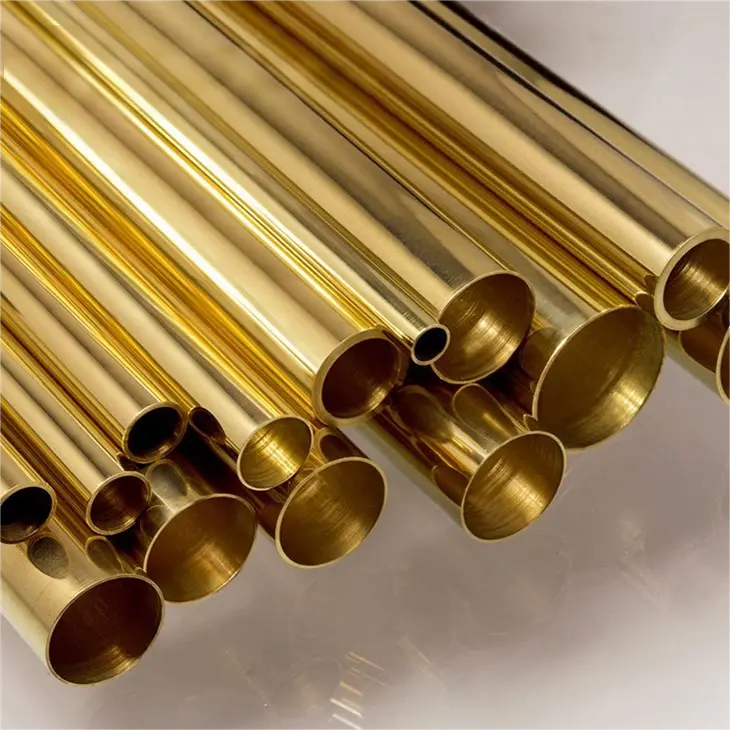
Copper tubes are widely used across industries such as HVAC, refrigeration, plumbing, renewable energy, medical gas systems, and industrial manufacturing. However, selecting the right copper tube is not always simple. Different applications require different material grades, dimensions, pressure resistance, and processing characteristics.
Choosing the appropriate copper tubing can improve system efficiency, reduce maintenance costs, and extend operational lifespan. On the other hand, selecting unsuitable materials may lead to performance issues, leakage risks, or unnecessary expenses.
This article explains the key factors buyers should consider when choosing copper tubes for industrial and commercial projects.
Understand the Application Requirements
The first step in selecting a copper tube is understanding the specific application environment.
Different industries have different technical requirements.
For example:
- HVAC systems focus on heat transfer efficiency and pressure resistance
- Plumbing systems prioritize corrosion resistance and hygiene
- Medical gas systems require high cleanliness and reliability
- Industrial cooling systems demand long-term durability
- Renewable energy systems emphasize thermal efficiency
Clearly identifying operational requirements helps buyers select the most suitable copper tube type.
Choose the Correct Copper Grade
Copper tubes are available in various material grades, each designed for different applications.
Some common copper grades include:
C12200 Copper Tube
C12200 is one of the most widely used phosphorus-deoxidized copper materials.
Advantages include:
- Excellent weldability
- Good corrosion resistance
- Strong thermal conductivity
- Reliable pressure performance
It is commonly used in HVAC, refrigeration, and plumbing systems.
C11000 Copper Tube
C11000 is high-purity electrolytic tough pitch copper with excellent electrical and thermal conductivity.
Applications include:
- Electrical systems
- Power equipment
- Heat exchangers
Oxygen-Free Copper
Oxygen-free copper offers extremely high conductivity and purity.
It is commonly used in:
- High-end electrical applications
- Semiconductor industries
- Precision equipment
Choosing the right copper grade ensures optimal system performance and long-term reliability.
Determine the Appropriate Tube Size
Copper tube dimensions directly affect system performance.
Important dimensional factors include:
- Outer diameter
- Wall thickness
- Tube length
- Coil or straight length requirements
For example:
- Larger diameters improve fluid flow capacity
- Thicker walls increase pressure resistance
- Precise sizing improves installation compatibility
Improper sizing may reduce efficiency or increase energy consumption.
Professional suppliers can often recommend suitable dimensions based on project requirements.
Consider Pressure Requirements
Pressure resistance is especially important in HVAC, refrigeration, and industrial systems.
Higher-pressure systems generally require:
- Seamless copper tubes
- Thicker wall thickness
- Higher mechanical strength
Copper tubing should comply with relevant pressure standards and safety requirements.
Systems operating under fluctuating temperatures and pressures require materials with strong fatigue resistance and structural reliability.
Seamless vs Welded Copper Tubes
Buyers should also determine whether seamless or welded copper tubes are more suitable.
Seamless Copper Tubes
Advantages include:
- Higher pressure resistance
- Better leak resistance
- Stronger structural integrity
- Longer service life
Seamless tubes are widely used in:
- Refrigeration systems
- HVAC equipment
- Medical gas pipelines
- Industrial heat exchangers
Welded Copper Tubes
Advantages include:
- Lower production cost
- Good dimensional consistency
- Suitable for lower-pressure applications
Welded tubes are commonly used in decorative and general industrial applications.
Selecting the correct tube type helps balance performance requirements and project budgets.
Evaluate Corrosion Resistance
Different operating environments may expose copper tubes to:
- Moisture
- Chemicals
- Saltwater
- Refrigerants
- Industrial gases
Copper naturally offers strong corrosion resistance, but buyers should still select suitable material grades and surface treatments depending on environmental conditions.
Corrosion resistance directly affects:
- Service life
- Maintenance frequency
- Operational reliability
For harsh industrial environments, higher-quality copper materials may provide better long-term value.
Thermal Conductivity Matters
In heat transfer systems, thermal conductivity is one of the most important performance indicators.
Copper’s excellent thermal conductivity makes it ideal for:
- Air conditioning systems
- Refrigeration equipment
- Heat exchangers
- Heat pumps
- Cooling systems
Efficient heat transfer improves energy efficiency and reduces operational costs.
This is one of the main reasons why copper remains widely used in thermal management applications.
Check International Standards and Certifications
Professional buyers should ensure copper tubes comply with recognized international standards.
Common standards include:
- ASTM
- EN
- JIS
- GB
Certified products typically provide more stable quality and reliable performance.
Suppliers should also provide:
- Material certificates
- Inspection reports
- Pressure testing documentation
- Dimensional inspection records
These documents help buyers verify product quality and compliance.
Consider Installation and Processing Requirements
Some projects require extensive tube processing during installation.
Copper tubes are widely appreciated because they are easy to:
- Bend
- Expand
- Braze
- Cut
- Connect
Flexible processing characteristics help reduce installation time and labor costs.
Contractors often prefer copper because of its excellent fabrication performance and reliable joining methods.
Sustainability and Environmental Considerations
Sustainability has become increasingly important in modern industrial procurement.
Copper offers major environmental advantages because it is:
- Highly recyclable
- Durable
- Energy efficient
- Long lasting
Recycled copper retains the same performance characteristics as newly produced copper.
This makes copper an environmentally responsible material choice for companies pursuing sustainable development goals.
Why Supplier Selection Is Important
Even high-quality copper materials may cause problems if the supplier lacks proper production control and export experience.
When selecting a copper tube supplier, buyers should evaluate:
Manufacturing Capability
Reliable manufacturers should have advanced equipment and strict quality control systems.
Export Experience
Experienced exporters understand packaging, logistics, and international shipping requirements.
Stable Production Capacity
Consistent production capability helps ensure timely deliveries.
Technical Support
Professional suppliers can recommend suitable products based on project requirements.
Customization Capability
Many industrial projects require customized dimensions and specifications.
Long-term supplier partnerships can help buyers improve procurement efficiency and reduce operational risks.
Future Demand for Copper Tubes
Global demand for copper tubes continues growing due to expansion in:
- Renewable energy systems
- Electric vehicle manufacturing
- HVAC industries
- Infrastructure construction
- Industrial automation
- Smart buildings
As industries increasingly focus on energy efficiency and sustainability, copper tubing will remain an essential engineering material worldwide.
Conclusion
Choosing the right copper tube requires careful consideration of material grade, dimensions, pressure requirements, thermal performance, corrosion resistance, and application environment.
High-quality copper tubing can significantly improve operational efficiency, reliability, and system lifespan across HVAC, refrigeration, industrial manufacturing, and renewable energy applications.
By working with experienced and reliable copper tube suppliers, buyers can ensure stable product quality, efficient project execution, and long-term operational success.
SEO Keywords: Copper Tube Supplier, Copper Tube Manufacturer, Seamless Copper Tube, HVAC Copper Pipe, Industrial Copper Tubing, Copper Pipe Exporter, Copper Tube Applications, Copper Refrigeration Pipe, Copper Heat Exchanger Tube, Copper Tube Factory China, C12200 Copper Tube, Copper Tube Procurement Guide.