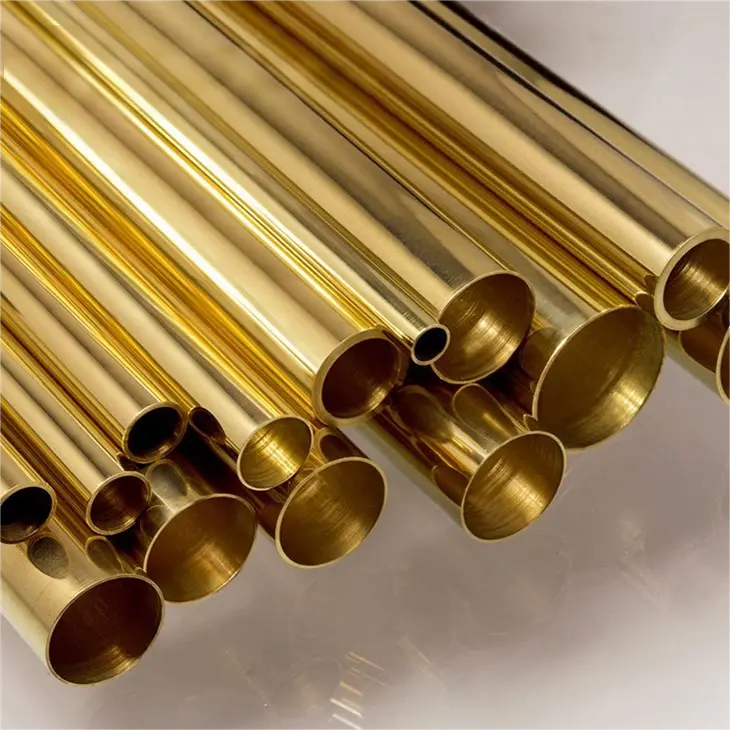
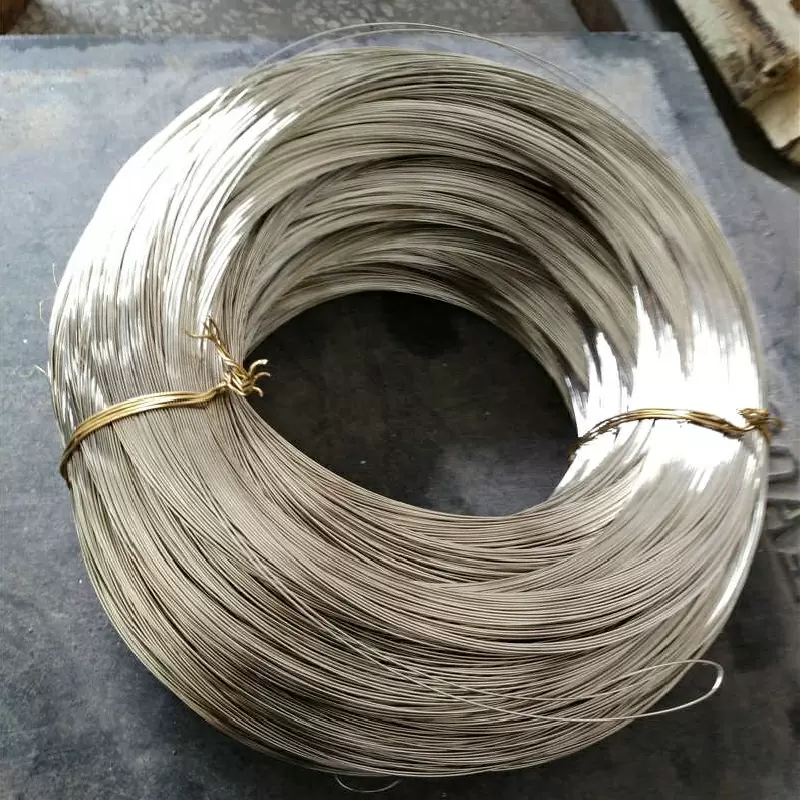
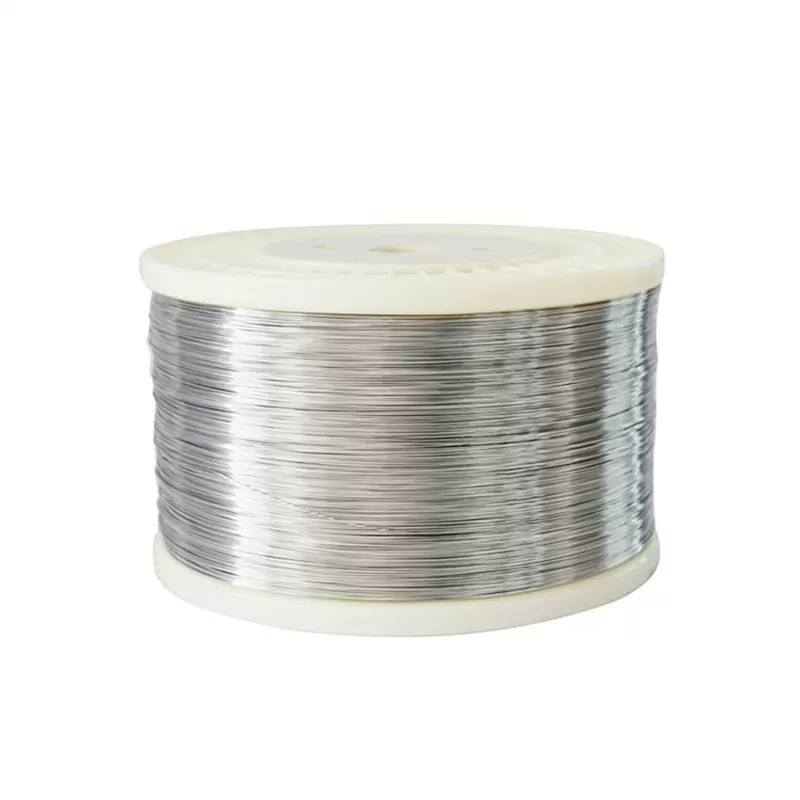
As global industries continue to pursue higher efficiency, sustainability, and reliability, copper remains one of the most valuable engineering materials in the world. From renewable energy systems and electric vehicles to HVAC installations and industrial manufacturing, copper plays a critical role in modern infrastructure and technological development.
In 2026, the demand for high-quality copper products—including copper tubes, copper sheets, copper rods, and copper coils—continues to grow across international markets. This article explores the key reasons why copper remains indispensable and how industries are leveraging its unique properties to improve performance and sustainability.
Exceptional Electrical Conductivity
Copper is widely recognized for its outstanding electrical conductivity, second only to silver among common metals. This characteristic makes it the preferred material for electrical wiring, power transmission systems, transformers, motors, and electronic components.
With the rapid expansion of renewable energy projects such as solar and wind power, the need for efficient electrical conductors has increased significantly. Copper minimizes energy loss during transmission, helping companies improve energy efficiency while reducing operational costs.
Applications include:
- Power cables and conductors
- Electric vehicle charging systems
- Renewable energy installations
- Industrial electrical equipment
- Electronic devices and circuit boards
Superior Thermal Conductivity
Copper’s excellent heat transfer capabilities make it an ideal material for thermal management applications. Industries that require efficient heating or cooling systems often rely on copper components to maximize performance.
Copper tubes are extensively used in:
- Air conditioning systems
- Refrigeration equipment
- Heat exchangers
- HVAC installations
- Industrial cooling systems
Because copper transfers heat quickly and efficiently, equipment can operate with lower energy consumption and improved reliability.
Outstanding Corrosion Resistance
Another major advantage of copper is its natural resistance to corrosion. Unlike many other metals, copper forms a protective oxide layer that helps prevent further degradation when exposed to various environmental conditions.
This durability makes copper suitable for:
- Water supply systems
- Marine applications
- Chemical processing facilities
- Architectural projects
- Outdoor installations
The long service life of copper products reduces maintenance requirements and lowers total ownership costs, making it a cost-effective investment for businesses worldwide.
Supporting the Global Energy Transition
One of the strongest drivers of copper demand today is the global transition toward clean energy and electrification.
Electric vehicles require significantly more copper than conventional internal combustion engine vehicles. Copper is used in electric motors, battery systems, charging infrastructure, and power electronics.
Similarly, renewable energy technologies rely heavily on copper:
- Solar photovoltaic systems
- Wind turbines
- Energy storage systems (ESS)
- Smart grid infrastructure
- Electric transmission networks
Industry analysts predict that global copper consumption will continue increasing throughout the coming decade as governments and companies invest in carbon reduction initiatives and sustainable energy projects.
Copper and Sustainability
Copper is one of the most recyclable engineering materials available. It can be recycled repeatedly without losing its physical or chemical properties.
According to industry estimates, a substantial portion of the copper used today originates from recycled sources. This contributes to:
- Reduced environmental impact
- Lower energy consumption during production
- Conservation of natural resources
- Support for circular economy initiatives
For manufacturers and buyers seeking environmentally responsible materials, copper offers an excellent balance between performance and sustainability.
Growing Demand in Emerging Markets
Infrastructure development across Asia, the Middle East, Africa, and South America continues to drive demand for copper products.
Key sectors include:
- Construction and building systems
- Telecommunications networks
- Transportation infrastructure
- Industrial automation
- Renewable energy projects
As urbanization accelerates and industrial capacity expands, high-quality copper materials are becoming increasingly important for supporting long-term economic growth.
Choosing the Right Copper Supplier
When sourcing copper products internationally, buyers should evaluate suppliers based on several factors:
Product Quality
Ensure compliance with international standards such as ASTM, EN, JIS, and GB specifications.
Manufacturing Capability
Choose suppliers with advanced production equipment and comprehensive quality control systems.
Inventory and Delivery
Reliable stock availability and efficient logistics help reduce project delays.
Technical Support
Experienced suppliers can recommend suitable grades, dimensions, and processing solutions for specific applications.
Export Experience
A supplier familiar with international documentation, packaging, and shipping requirements can significantly simplify procurement processes.
Conclusion
Copper continues to be one of the most important industrial materials in the global economy. Its excellent electrical and thermal conductivity, corrosion resistance, durability, and recyclability make it indispensable across numerous industries.
As the world accelerates toward electrification, renewable energy adoption, and sustainable development, the demand for premium copper products is expected to remain strong for years to come. Businesses that invest in high-quality copper materials today will be better positioned to improve efficiency, enhance reliability, and support future growth.
Whether for power generation, HVAC systems, industrial manufacturing, or infrastructure development, copper remains the material of choice for modern engineering applications.